
Ian McEwan on AI, Climate Change, & Hope for Nature’s Renewal
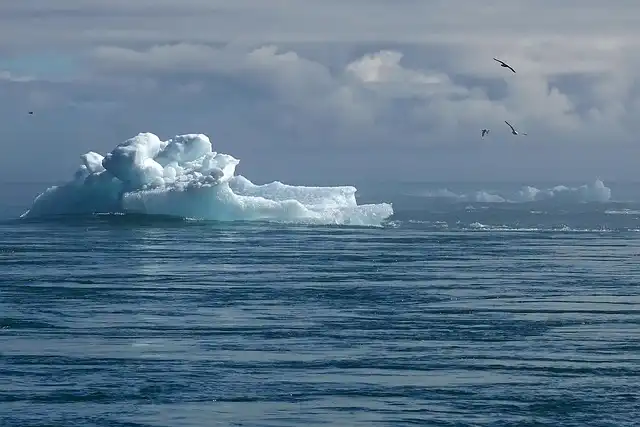
Author Ian McEwan reflects on AI's potential (e.g., creating art), climate change's reality, and nature's resilience through rewilding projects. His new novel, What We Can Know, explores adaptation in a climate-impacted future, offering a message of hope.
On a lighter note, he half jokes: “We could be able to take some convenience from it if we’re obtaining two work of arts a week in fiction, as opposed to one every 50 years. We should count ourselves fortunate.”
Born in 1948 in Hampshire, McEwan’s 19 stories include Enduring Love, Satisfaction and the Booker Prize-winning Amsterdam, with his job typically checking out the moral and technical concerns of contemporary life.
Nature’s Resilience & Rewilding Hope
McEwan also takes hope from preservation and rewilding tasks, such as the Area of Arran Seabed Trust (Shore). “There are huge locations off the coast of Scotland where nobody’s allowed to fish and no boats are allowed in, and it’s been like that for numerous years,” he says. “Marine biologists are absolutely astonished at the renewal of biological life, not simply fish and scallops however aquatic plants, seaweed and so forth. Wherever we quit doing negative points, nature really pushes back.”.
McEwan’s Novel: A Climate Future
AI-created publications may be the least of our problems. In his new novel What We Can Know, McEwan checks into a visualized future formed by mankind’s response to climate change and problem. In his tale, the global population has dropped, seas have climbed, and biodiversity has declined– yet with all of it, people adapt and sustain.
These efforts, he believes, are the sparks of a broader shift. “There’s a possibility that there are, across the globe, 1,000 points of light in which all kinds of individuals are functioning on all kinds of projects, and we have actually not joined them up. I keep some slim hope that we are going to handle this, because, in other words, it’s not all that challenging. We simply need to quit doing negative points and do advantages.”.
McEwan uses this envisioned future to review today. When we talk, his grandchildren are remaining at their house. He states he is worried regarding what future we are producing for these future generations. “We’re in fact living through this change now,” he says. “Back in the 90s, when we were speaking about environment modification, it was some type of vaguely sci-fi future. Today everybody can see it. It remains in our lives.”
“What it turned out was instead lovely,” McEwan informs me. “After that, Annalena asked it to do GK Chesterton’s rhyme ‘The Rolling English Road’, as sung by Frank Sinatra, and it was exceptionally innovative, with orchestral support and a voice that was Sinatra.
Give when from simply ₤ 1, or join 1,800+ others who add approximately ₤ 3 or even more monthly. With each other, we can develop a healthier form of media– one that focuses on services, progress and opportunities, and encourages people to develop favorable adjustment.
From our cover tale about how cities are ending up being better, healthier and more sustainable, to attributes on the militants who refuse to retire silently, and the art of looking slowly– the Jan– Mar issue is packed with confident journalism to begin the year right.
Finding Progress in Environmentalism
Having long been concerned regarding the atmosphere, he’s currently seeing authentic indicators of progress. “I lately checked out a short article regarding guide Here Comes the Sunlight by the American environmentalist and reporter Bill McKibben. It was so unlike any other piece I have actually checked out. McKibben says that we do not notice that we’re about to turn a corner because it’s taking place in China, whereas the United States has backed off from any type of chance of marketing the world solar panels or wind generators. We’re currently then where we could issue the surge of greenhouse gas emissions. For a few days, I was walking around assuming ‘I really feel entirely different.'”.
“What it turned out was instead attractive,” McEwan tells me. “After that, Annalena asked it to do GK Chesterton’s rhyme ‘The Rolling English Roadway’, as sung by Frank Sinatra, and it was exceptionally innovative, with instrumental backing and a voice that was Sinatra. In his brand-new novel What We Can Know, McEwan looks right into a pictured future formed by mankind’s reaction to environment change and conflict. McEwan uses this pictured future to show on the present. McEwan also takes hope from conservation and rewilding projects, such as the Community of Arran Seabed Depend On (Coastline).
The Narrative of ‘What We Can Know’
The novel steps in between various time periods, with Tom Metcalfe, an academic at the University of the South Downs in 2119, working on a biography of Francis Blundy, a poet and environment modification denier. Blundy notoriously checked out an epic poem, ‘Corona For Vivien’, at a dinner party in 2014. Past those visitors, no person has ever before heard it, and Metcalfe’s search for the truth drives the narrative.
At Favorable Information, we’re not chasing after clicks or profits for media moguls– we’re below to serve you and have a favorable social effect. We can not do this unless enough people like you pick to support our journalism.
AI’s Unexpected Artistic Creations
Fooling around lately at their home in the Cotswolds, Ian McEwan and his spouse Annalena asked the AI program Soniva Music to set Philip Larkin’s well-known poem ‘This Be The Verse’ (” They fuck you up, your mum and daddy …”) to c and w. The results were stunning.
“It’s now one of Ukraine’s many biodiverse regions. There is a kind of built-in strength to nature, if we simply quit poisoning a place or screwing up a place. If you include yourself in one little task, you will feel it on your own.
1 AI Creativity2 climate crisis
3 Environmental Hope
4 Ian McEwan
5 Nature's Resilience
6 Rewilding Projects
« Trump Administration Plans to Use Google Gemini for Drafting DOT Safety RegulationsNY Homeless Hotel Costs Soar, New Regulations Proposed for Services »